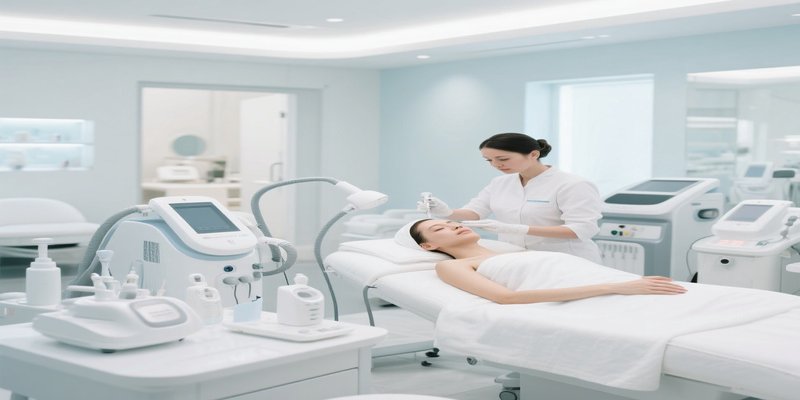
Preventative Botox: When to Start and What to Expect
You have probably seen the word "tweakments" floating around social media. It sounds like a made up term, but it actually describes the fastest growing corner of aesthetic medicine. Tweakments are minor, non surgical procedures that aim for subtle improvement, not a dramatic overhaul. Think Botox to soften a few lines, not a facelift. Think a skin booster for better texture, not fat grafting. The goal is to look like a well rested version of yourself. This guide covers the most common tweakments, how to combine them, what they really cost, and how to make the results last.
Tweakments — minor, non-surgical
Tweakments are minor, non surgical cosmetic procedures. They produce subtle improvements, not dramatic transformations. This category is the fastest growing segment of aesthetic medicine. The philosophy is enhancement, not alteration. You want to look like a refreshed, well rested version of yourself, not a different person. Common tweakments include Botox for expression lines, Profhilo for skin quality, and polynucleotide injections like Plinest for skin regeneration.
The appeal is minimal downtime. Most tweakments require no recovery period. Side effects are limited to mild redness or swelling that fades within hours. Pricing is more accessible than surgery. A single Botox treatment costs $200 to $500. A Profhilo session runs $400 to $800. The key to good results is a conservative approach. Start with the lowest effective dose. Wait two weeks to assess. Then add more only if needed.
Combination treatments — using
Combination treatments have become the standard of care. Aging happens on multiple fronts at once, so addressing only one issue leaves others untouched. A typical combination plan might include Botox for wrinkles, dermal fillers for volume loss, and a skin booster like Profhilo for skin quality.
The advantage is synergy. Botox relaxes the muscles that cause wrinkles while fillers restore the volume beneath them. Together, they produce a better result than either alone. Practitioners usually space treatments two to four weeks apart. This allows swelling to go down and gives an accurate read on what each treatment contributed.
Cost for a full initial series ranges from $2,000 to $5,000. Maintenance treatments run 1,000 2,500 every six to twelve months. Do not skip the consultation with a before photo. Bring a picture of yourself from five years ago. It helps the practitioner see where volume has shifted. The most important factor is provider experience. Ask how many combination plans they do per month. A good answer is at least five to ten.
Maintaining cosmetic procedure results
Maintaining results takes a proactive approach. Book your next Botox appointment at the three month mark, before the effects fully wear off. That gives more consistent results than waiting until the lines come back. Dermal fillers last six to eighteen months depending on the product and location. Juvederm Voluma in the cheeks can last up to two years. Lip fillers usually need refreshing every six to nine months.
Skincare is critical. Sunscreen with SPF 30 or higher prevents UV damage that speeds up aging and undoes your results. EltaMD UV Clear SPF 46 is a solid choice for post procedure skin. It contains niacinamide to calm redness. Hyaluronic acid serums like SkinCeuticals Hyaluronic Acid Intensifier keep skin hydrated and plump.
Once your skin has fully healed from any procedure, add retinol. It stimulates collagen production and extends the benefits of your professional treatments. Start with a low concentration like 0.25% twice a week, then increase slowly.
Understanding Costs
The per-session price is not the full picture. You need to look at total cost over time, including maintenance and possible revisions.
Botox costs $10 to $20 per unit. A typical treatment uses 20 to 40 units, so a single session runs $200 to $800. Maintaining results takes three to four sessions per year, totaling $600 to $3,200 annually.
Dermal fillers cost $600 to $1,200 per syringe. Most treatments need one to three syringes. Touch-ups every six to twelve months add another $600 to $3,600 per year.
Laser treatments cost $200 to $1,000 per session. A full course is usually three to six sessions.
Surgical procedures have the highest upfront costs. A facelift runs $7,000 to $15,000. Rhinoplasty is $5,000 to $12,000. Eyelid surgery is $3,000 to $7,000. But those quoted prices rarely include everything. Factor in pre-op visits, post-op medications, compression garments, and time off work. Budget at least 20 percent more than the quoted price to cover these extras. For example, a $10,000 facelift will likely end up costing $12,000 or more.
The number of men
Exploring the number of men — receiving cosmetic procedures has increased by over 40 percent since 2019, driven by changing social attitudes and the normalization of male grooming. The most requested treatments among men are Botox for forehead lines and crow's feet, dermal fillers for jawline definition, and laser treatments for skin texture and redness. Male Botox requires a different approach than female treatments: men typically have stronger facial muscles that require higher dosages (25 to 40 units for the forehead compared to 15 to 25 for women) and a more conservative brow position to avoid a feminized appearance.
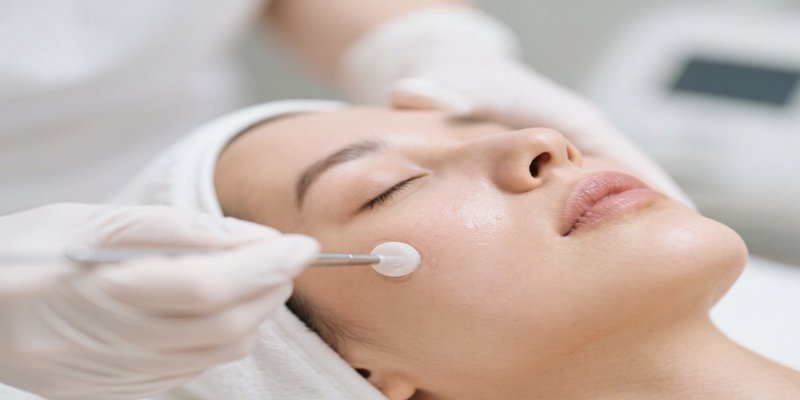
Dermal fillers like Juvederm Voluma, placed along the jawline, create a more defined, angular lower face that aligns with conventional male attractiveness standards. Skincare-focused treatments like chemical peels and microneedling have also gained traction among men who want visible skin improvement without the downtime of surgical procedures. Practitioners recommend that men start with Botox and skincare treatments before considering fillers or surgical options.
Injectable Wrinkle Relaxers
Preventative Botox involves receiving botulinum toxin injections before dynamic wrinkles become static wrinkles that are visible at rest. The treatment targets the muscles responsible for expression lines: the corrugators between the eyebrows, the frontalis muscle of the forehead, and the orbicularis oculi around the eyes. Most practitioners recommend starting preventative Botox in the late twenties or early thirties, when dynamic wrinkles are visible during expression but disappear when the face is relaxed. The dosage for preventative treatments is typically lower than for corrective treatments — 10 to 20 units total compared to 30 to 50 units for someone with established lines.
Botox Cosmetic, manufactured by Allergan, remains the most widely used formulation, though alternatives like Dysport and Xeomin offer slightly different diffusion patterns. The procedure takes 10 to 15 minutes with minimal discomfort. Results appear within three to seven days and last three to four months. Consistent treatment every three to four months produces cumulative improvement as the treated muscles atrophy slightly from reduced use.
Botox
Your first Botox treatment should begin with a thorough consultation where the practitioner assesses your facial anatomy, discusses your goals, and manages your expectations. Board-certified dermatologists and plastic surgeons are the safest providers — they have the deepest understanding of facial musculature and can handle complications if they arise. During the consultation, the practitioner will ask you to make facial expressions (frowning, raising your eyebrows, squinting) to identify the muscles causing your concern lines. They should explain which areas they recommend treating, how many units they plan to use, and what results you can realistically expect.
The injection process itself takes 10 to 15 minutes. Using a very fine needle, the practitioner injects small amounts of Botox into the targeted muscles — most people describe the sensation as a brief pinch. Avoid lying down, exercising, or rubbing the treated areas for four to six hours after treatment. Results begin to appear within three to five days and reach full effect at 14 days.
Most Read
Why More Men Are Getting Cosmetic Procedures

The Rise of Air-Drying: How to Style Hair Without Heat
How to Layer Multiple Active Ingredients Safely: Essential Ski...

How to Achieve the Viral French Girl Hair Look: Essential Hair...

Considering Liposuction? Your Ultimate Guide for Safety and Beauty